




NFT Art – Revolutionizing the Art World through Digital Ownership
NFTs and The Art World
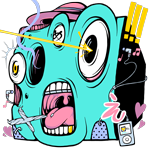
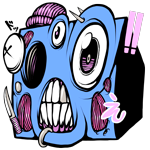
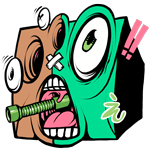
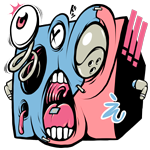
In recent years, the art world has undergone a transformative shift, propelled by the emergence of Non-Fungible Tokens (NFTs). These digital tokens, which represent ownership and provenance of unique digital or physical assets, have ignited a revolution in the art industry. NFT art has become a hot topic, captivating artists, collectors, and investors alike. In this article, we will explore the world of NFT art, its impact on traditional art markets, its benefits and challenges, and the implications for the future of creativity and ownership in the digital age.
The Rise of NFT Art
NFTs are based on blockchain technology, specifically Ethereum, which allows for the creation and trading of unique digital assets. Unlike cryptocurrencies such as Bitcoin or Ethereum itself, NFTs cannot be exchanged on a one-to-one basis because each token is one-of-a-kind, making them ideal for representing digital art and collectibles.
The concept of NFT art gained traction in 2017 when CryptoPunks and CryptoKitties, two early NFT projects, garnered attention for their unique, algorithmically generated digital characters that could be owned and traded as NFTs. However, it was not until 2020 and 2021 that NFT art truly exploded onto the scene, thanks to high-profile sales like Beeple’s “Everydays: The First 5000 Days” at Christie’s auction house, which sold for a staggering $69 million.
Ownership and Provenance
One of the key benefits of NFT art is the clear and immutable ownership and provenance it provides. Blockchain technology ensures that the ownership history of an NFT art piece is transparent and cannot be tampered with. This feature addresses a longstanding issue in the art world, where forgeries and stolen artwork have plagued the market for centuries.
Collectors and art enthusiasts can now have confidence in the authenticity and history of an NFT art piece, as every transaction is recorded on the blockchain. This not only safeguards the rights of artists but also fosters trust within the digital art ecosystem.
Empowering Artists
NFTs have created a paradigm shift in the way artists monetize their work. Traditionally, artists relied on galleries and auction houses to showcase and sell their art, often receiving only a fraction of the final sale price. NFTs empower artists to directly connect with their audience and receive a larger share of the proceeds from their art sales.
Moreover, NFTs enable artists to benefit from secondary market sales through royalties. When an NFT art piece changes hands on secondary markets, the artist can receive a percentage of the resale value, providing a sustainable source of income long after the initial sale.
Accessibility and Inclusivity
Another significant advantage of NFT art is its democratizing effect on the art world. Traditional art markets have been characterized by exclusivity, where only a select few artists and collectors gained recognition and access to prestigious galleries and auctions. NFT art opens the doors to a global audience, allowing artists from all corners of the world to showcase their work and gain recognition.
Furthermore, the relatively low barriers to entry in the NFT space mean that emerging artists can find a platform to sell their creations without the need for traditional gatekeepers. This accessibility is a breath of fresh air for artists who may have previously struggled to break into the art world.
Challenges and Concerns
Despite its many advantages, the NFT art space is not without its challenges and concerns. Environmental sustainability is a pressing issue, as the energy consumption of blockchain networks, especially Ethereum, has raised questions about the carbon footprint of NFTs. The debate surrounding the environmental impact of NFTs underscores the need for more sustainable blockchain solutions and practices.
Additionally, the NFT market has seen its fair share of speculative frenzy, with some buyers hoping to flip NFTs for quick profits. This speculative behavior can distort the true value of art and undermine the long-term sustainability of the NFT art market.
The issue of copyright and intellectual property also looms large. While blockchain technology helps protect ownership and provenance, it does not necessarily address issues of copyright infringement or unauthorized use of an artist’s work. Artists must remain vigilant in protecting their intellectual property rights in the digital space.
The Future of NFT Art
As NFT art continues to evolve, it is poised to play a central role in the future of the art world. The technology’s potential applications extend beyond visual art to music, literature, virtual real estate, and more. Artists and creators are exploring innovative ways to leverage NFTs to connect with their audience and monetize their work.
Moreover, the integration of augmented reality (AR) and virtual reality (VR) technologies with NFT art promises to create immersive and interactive art experiences. Collectors may soon be able to display their NFT art pieces in virtual galleries or even step inside a digital artwork.
Regulatory bodies are also taking a closer look at NFTs to ensure compliance with existing laws and regulations, which will help legitimize the market further and protect consumers.
A Groundbreaking Shift in the Art World
NFT art represents a groundbreaking shift in the art world, redefining how art is created, bought, sold, and owned. With its promise of transparency, empowerment of artists, and accessibility, it has the potential to reshape the art landscape for the better. However, challenges such as environmental concerns, speculation, and copyright issues must be addressed for the NFT art market to reach its full potential.
As artists and collectors continue to explore the possibilities of NFT art and technology continues to advance, we can expect even more exciting developments in this space. NFT art has the potential to bridge the gap between the physical and digital realms, creating a new era of artistic expression and ownership in the digital age.