




What Are NFTs?
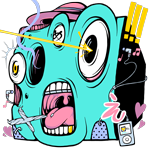
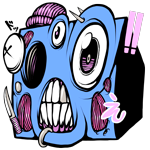
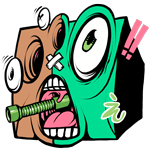
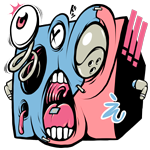
NFTs are a type of digital asset that represents ownership or proof of authenticity of a unique item using blockchain technology. Unlike cryptocurrencies like Bitcoin or Ethereum, NFTs are indivisible and cannot be exchanged on a one-to-one basis. Each NFT is distinct, making it ideal for representing one-of-a-kind digital or physical assets.
The Rise of Digital Art
One of the most notable applications of NFTs is in the realm of digital art. Digital artists can now create unique digital pieces and mint them as NFTs, allowing them to sell their work directly to collectors without the need for intermediaries like galleries or auction houses. This has opened up new opportunities for artists to gain recognition and profit from their creations.
Provenance and Ownership
NFTs offer a revolutionary solution to the problem of digital art ownership. Before NFTs, digital art was easily copied and shared online, making it challenging for artists to prove ownership or sell their work. With NFTs, artists can establish provenance and guarantee the scarcity of their digital creations, thereby increasing their value.
The NFT Art Market
The NFT art market has seen explosive growth in recent years, attracting artists, collectors, and investors alike. High-profile sales, such as Beeple’s $69 million sale of “Everydays: The First 5000 Days,” have brought mainstream attention to NFTs and their potential in the art world.
Accessibility and Inclusivity
One of the key advantages of NFTs in the art market is their accessibility. Artists from diverse backgrounds and regions can now reach a global audience without the need for expensive art galleries or international exhibitions. This democratization of art has led to greater inclusivity and diversity in the art world.
Challenges and Controversies
However, the NFT art market is not without its challenges and controversies. Environmental concerns have been raised due to the energy-intensive nature of blockchain technology, particularly for proof-of-work cryptocurrencies like Ethereum. Additionally, questions about copyright and intellectual property rights in the digital realm remain unresolved.
Unconventional NFT Art Forms
Beyond digital art, NFTs have enabled the creation and sale of unconventional art forms that challenge traditional notions of art.
Virtual Real Estate
Virtual real estate, represented as NFTs, has gained popularity in virtual worlds like Decentraland and The Sandbox. These virtual plots of land can be used for various purposes, from virtual events to digital art installations.
Music and Collectibles
Musicians have also embraced NFTs, releasing exclusive music and collectibles as digital assets. This has the potential to reshape the music industry by allowing artists to directly monetize their work and engage with fans.
Metaverse Art
The concept of the metaverse, a virtual reality space where users can interact, socialize, and create, has gained traction in recent years. NFTs play a crucial role in the metaverse by enabling the ownership and trade of virtual assets, including art, fashion, and digital real estate.
The Future of NFT Art
As NFTs continue to evolve, the future of NFT art remains uncertain but full of possibilities.
Integration with Augmented Reality (AR)
Some artists are exploring the integration of NFT art with augmented reality, creating interactive and immersive experiences for collectors. This fusion of digital and physical worlds could open up new artistic frontiers.
Legal and Regulatory Developments
Governments and regulatory bodies are increasingly scrutinizing the NFT market. The development of clear legal frameworks and regulations will be crucial in shaping the future of NFT art and ensuring the protection of artists and collectors.
Cultural Impact
NFT art has the potential to influence and reflect cultural shifts in the digital age. It can challenge traditional art forms, redefine ownership, and create new forms of artistic expression.
The unconventional NFT art world
The unconventional NFT art world represents a paradigm shift in the art industry. It offers artists new avenues for creation and revenue, challenges traditional notions of ownership, and brings inclusivity to the forefront. However, it also faces significant challenges related to sustainability, copyright, and regulation. As NFT art continues to evolve, it will undoubtedly leave a lasting impact on the way we create, collect, and appreciate art in the digital age.